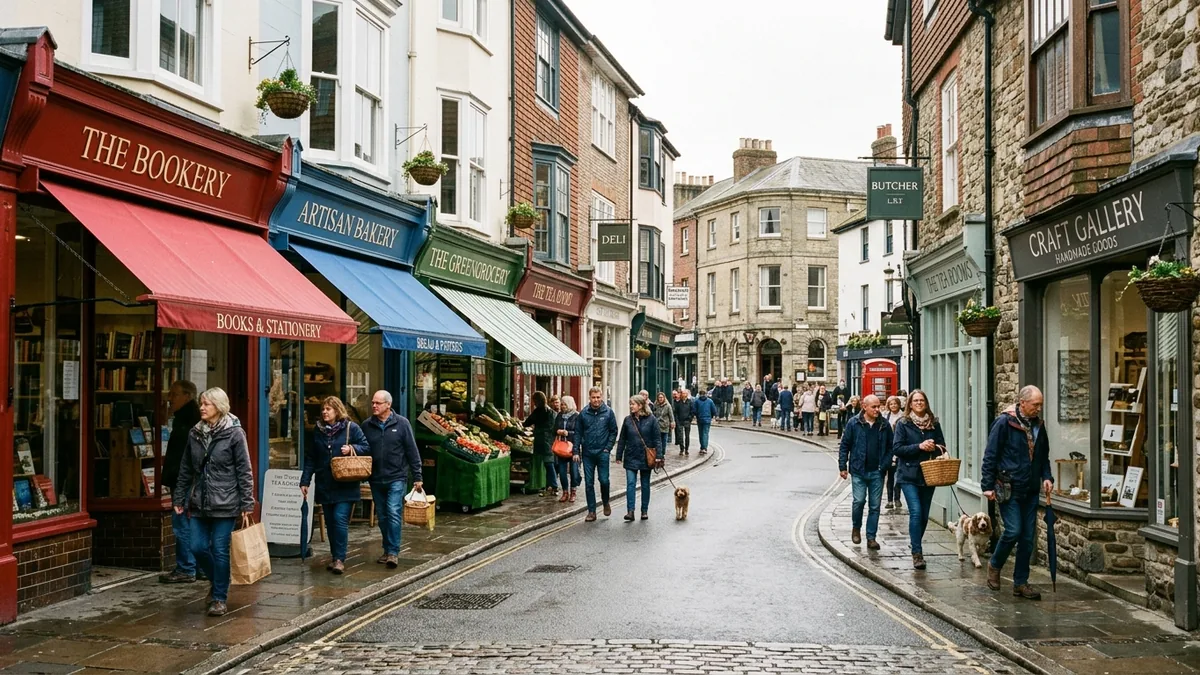
Reports of the high street's death were premature — but its recovery looks nothing like its past. The winners are reinventing the shop.
Winners and losers
the future of the high street is redistributing advantage rather than simply creating or destroying it. Larger players with reserves can absorb the volatility and even buy growth cheaply; smaller rivals without that cushion are quietly going under, often without making the news.
Most of what is written about the future of the high street focuses on the dramatic edge cases. The version that affects most people is quieter, steadier and rarely makes the front page.
What to watch
The signals that matter for the future of the high street are unglamorous — order books, hiring intentions, the pace at which firms pay suppliers. These move before the headline indices do, and that is where the next phase of the story will show first.
On the future of the high street, the loudest voices and the best-informed ones are rarely the same people.
Why the timing matters
What makes the future of the high street significant is the timing. Borrowing costs, consumer confidence and input prices have shifted at once, and businesses must decide on incomplete information — the conditions in which both the best and the worst calls get made.
What is clear is that the future of the high street will not resolve itself neatly. The interesting part is how the people involved adapt, and on that the evidence is only beginning to come in.
Continue reading with Starguo
You have read the free preview of this article. Subscribe for full access to our reporting, analysis and the complete archive.