There is a particular fondness the British hold for the instant live television loses control. Elsewhere the on-air mishap is treated as a humiliation to be buried; here it is clipped, subtitled, set to a jaunty tune and screened again on every anniversary. The blooper is reassurance that the whole gleaming apparatus — the autocue, the earpiece, the spotless studio — is run by people every bit as fallible as the viewer on the sofa.
What follows is a ranking of ten genuine moments from British live broadcasting, drawn from news desks, children’s programmes, sport and the chat-show sofa. We have set aside the apocryphal in favour of moments the cameras indisputably caught and the newspapers indisputably covered — then arranged them, below, by the decade that produced them and by the genre that keeps them alive.
Each was broadcast live to a national audience, was reported at the time, and survives today as a clip people pass around without needing the context explained. The ranking rewards a blend of sheer chaos, the quality of the recovery, and how long the country has refused to let the moment go.
A century of slip-ups, by decade
Before the countdown, a map. The live mistake is not evenly spread across the schedules: it clusters where the stakes are highest and the safety net thinnest — rolling news, children’s television, live sport and the variety show. The table below traces the defining moment of each era.
| Decade | Defining moment | Programme |
|---|---|---|
| 1960s | Lulu the elephant loses composure | Blue Peter |
| 1970s | Rod Hull’s Emu ambushes the host | Parkinson |
| 1980s | The forecast that waved away a storm | BBC Weather |
| 1990s | A pop star fills a Wimbledon rain delay | BBC Sport |
| 2000s | The wrong man interviewed live | BBC News 24 |
| 2010s | A study upended by two small children | BBC News |
The ranking
Guy Goma, the accidental expert · 2006
A man who had come to the BBC for a job interview in IT was collected from reception, walked into a studio, and introduced live as a specialist on a music-industry court ruling. The flicker of pure terror as he realised — followed by the brave decision to answer the questions anyway — produced some of the finest improvisation British television has broadcast entirely by accident. By common consent, he did rather well.
Lulu the elephant on Blue Peter · 1969
A young elephant was led into the studio for a gentle item and proceeded to do every single thing an elephant should never do on live children’s television: it relieved itself thoroughly, then towed its keeper — and nearly presenter John Noakes — straight through the mess while the studio fell apart. It remains the benchmark against which all live animal chaos is measured.
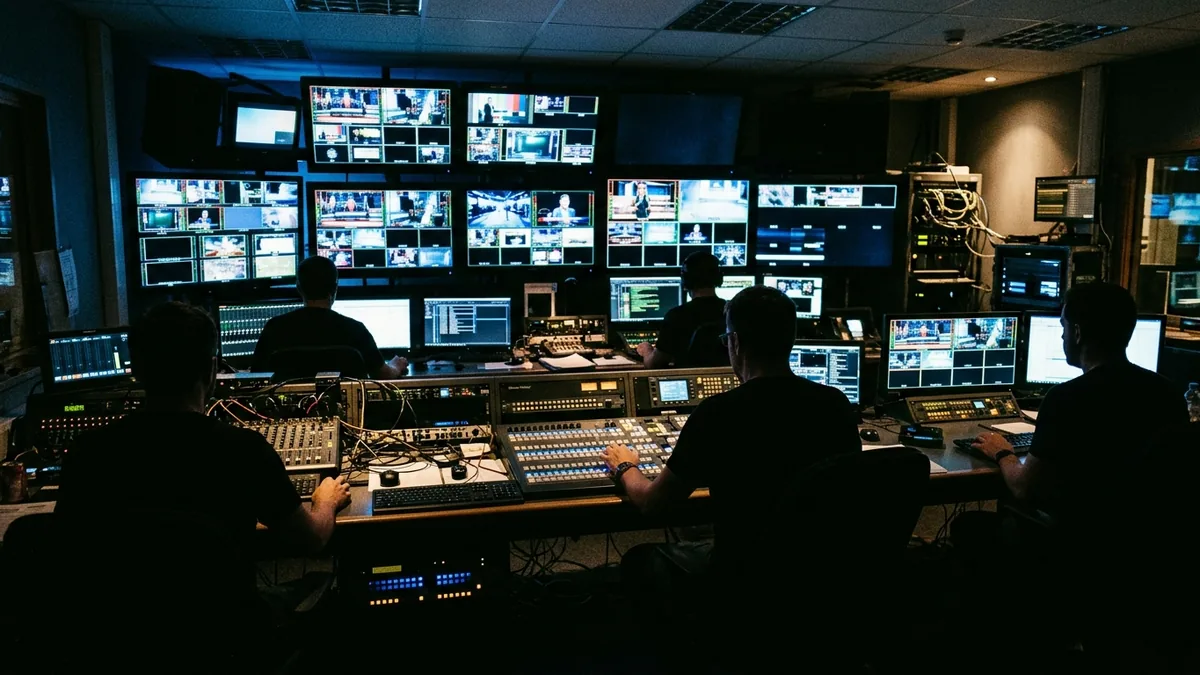
Rod Hull and Emu ambush Parkinson · 1976
Britain’s most dignified talk-show host, who had calmly interviewed Muhammad Ali, was reduced to wrestling a feathered glove puppet to the floor, chair and all. Parkinson later called it the most undignified moment of his career. It is the founding text of British televised absurdity: venerable institution, meet flightless bird.
Michael Fish and the storm that was coming · 1987
Hours before the Great Storm tore across southern England, felling some fifteen million trees, the forecaster relayed that a viewer had rung in fearing a hurricane — and reassured the nation there wasn’t one on the way. The nuance is lost in the retelling, but the essential comedy survives: the most confident denial of the most destructive storm in living memory, the evening before it arrived.
The Countdown letters board · recurring
For more than four decades, contestants picking consonants and vowels have, by sheer chance, spelt out words the genteel afternoon format was never built to display. The hosts’ doomed struggle to keep a straight face as an unrepeatable answer resolves on the board is a small, perfect, endlessly renewable piece of live comedy.
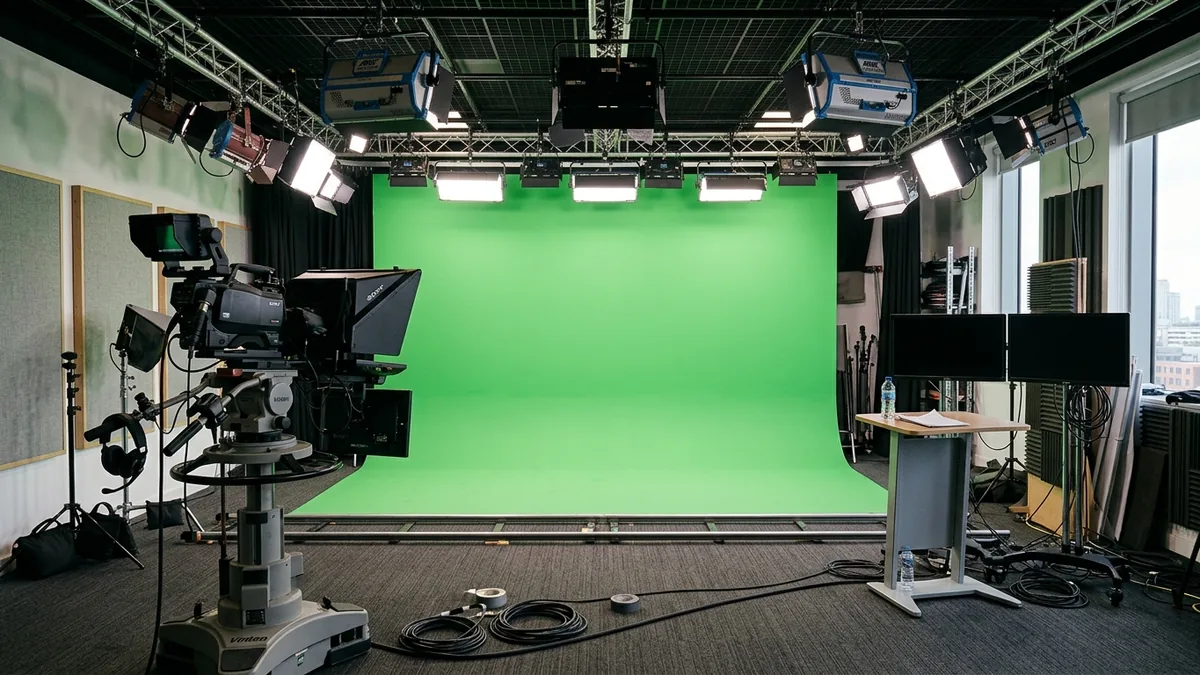
Tomasz Schafernaker’s gesture · 2010
Handed back to after a faintly sceptical aside from the newsreader, the weatherman made a rude gesture — convinced, fatally, that the camera had moved on. It had not. His appalled recovery, converting the gesture into a thoughtful scratch of the chin, only improved it: a masterclass in the oldest trap in live television.
Simon McCoy and the ream of paper · 2015
Returning from a break, the famously deadpan presenter began a segment clutching what should have been a tablet computer and was, in fact, a packet of A4 printer paper handed to him in error. His genius was never the mistake but the magnificent refusal to acknowledge it, carrying the ream through the segment with total composure.
Cliff Richard sings out the Wimbledon rain · 1996
With rain halting play and live coverage staring at dead air, a spectator was invited to fill the silence and launched, unaccompanied, into a medley the Centre Court crowd gamely took up. By rights it should have been excruciating; instead it became a genuinely fond piece of British television, and the textbook example of broadcasters conjuring something from nothing.
The home-study invasion · 2017
An academic delivering a serious live interview from his study was upstaged when his small daughter marched in behind him, trailed by a baby in a walker and a parent skidding across the floor to retrieve them. Beamed around the world, it became the defining live-TV moment of the home-broadcast age — a trailer for the decade to come.
It’ll Be Alright on the Night · from 1977
The final entry is the programme that turned the blooper itself into a beloved format. For decades, Denis Norden’s clipboard introduced the nation to the year’s out-takes and on-air calamities — proof that Britain does not merely tolerate the live mistake but actively curates it. It is the reason so many of the moments above were preserved at all.
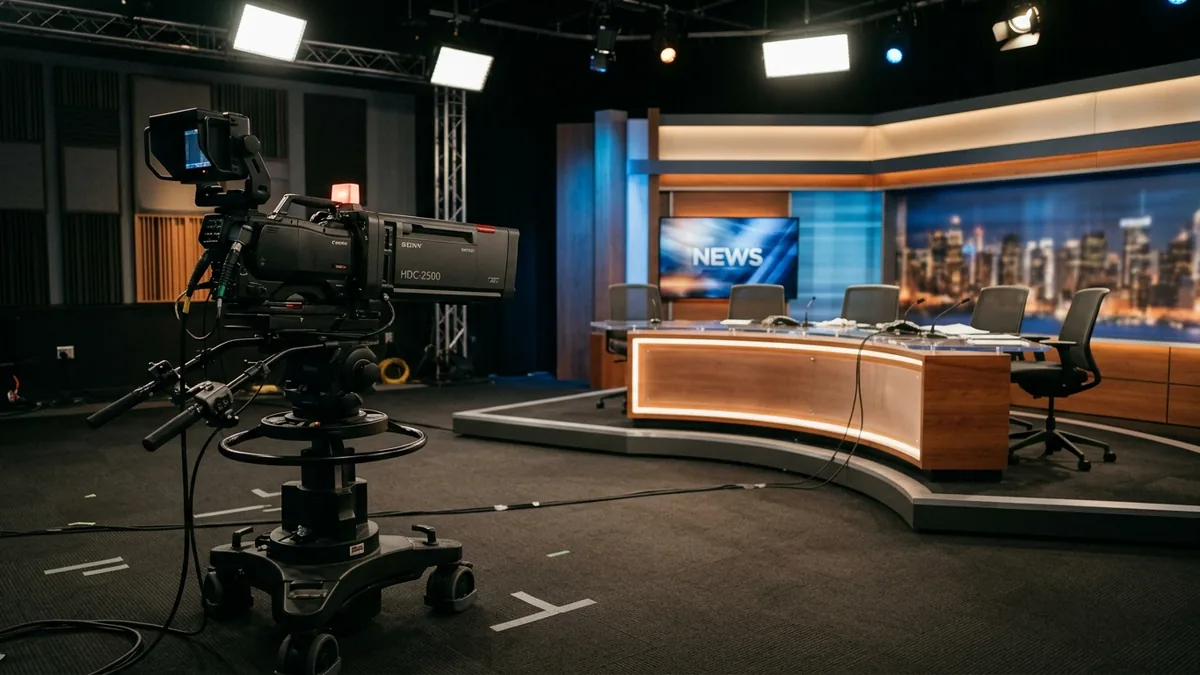
What they have in common
Sort the ten by genre and a pattern emerges. The moment that lasts is almost never the mistake itself but the recovery — Guy Goma’s held nerve, Simon McCoy’s deadpan, the gamble of handing a rain-soaked Centre Court to a passing pop star. Absurdity alone fades; absurdity met with composure becomes immortal.
| Genre | Example | Why it endures |
|---|---|---|
| Rolling news | Guy Goma; the ream of paper | Composure under self-inflicted pressure |
| Children’s TV | Lulu the elephant | Live animals plus a live studio |
| Weather | Michael Fish; the gesture | Certainty meeting the unforeseen |
| Sport | Wimbledon singalong | Dead air filled from nothing |
| Chat show | Emu vs Parkinson | Dignity ambushed by chaos |
The flawless live broadcast is forgotten by breakfast. The one where it all came apart is screened again for half a century.
Why the blooper is becoming rarer
The live mistake is, quietly, an endangered species. More television is pre-recorded, time-delayed or stitched together from segments that can be discreetly dropped; the genuine, anything-might-happen live broadcast is now largely confined to news, sport and a dwindling handful of events. The safety net producers always wanted is finally, mostly, in place — and something is lost along with it.
What survives is the clip. The home-study invasion of 2017 reached most of its enormous audience after transmission, shared and reshared, and lost none of its charm for it. That is the consolation: the blooper has simply migrated from the living room to the timeline. But the conditions that produced a Lulu the elephant — a nation watching the same channel at the same instant, with no way to cut away — are slipping into history. We will keep the out-takes. We may not get many more of them.
Continue reading with Starguo
You have read the free preview of this article. Subscribe for full access to our reporting, analysis and the complete archive.