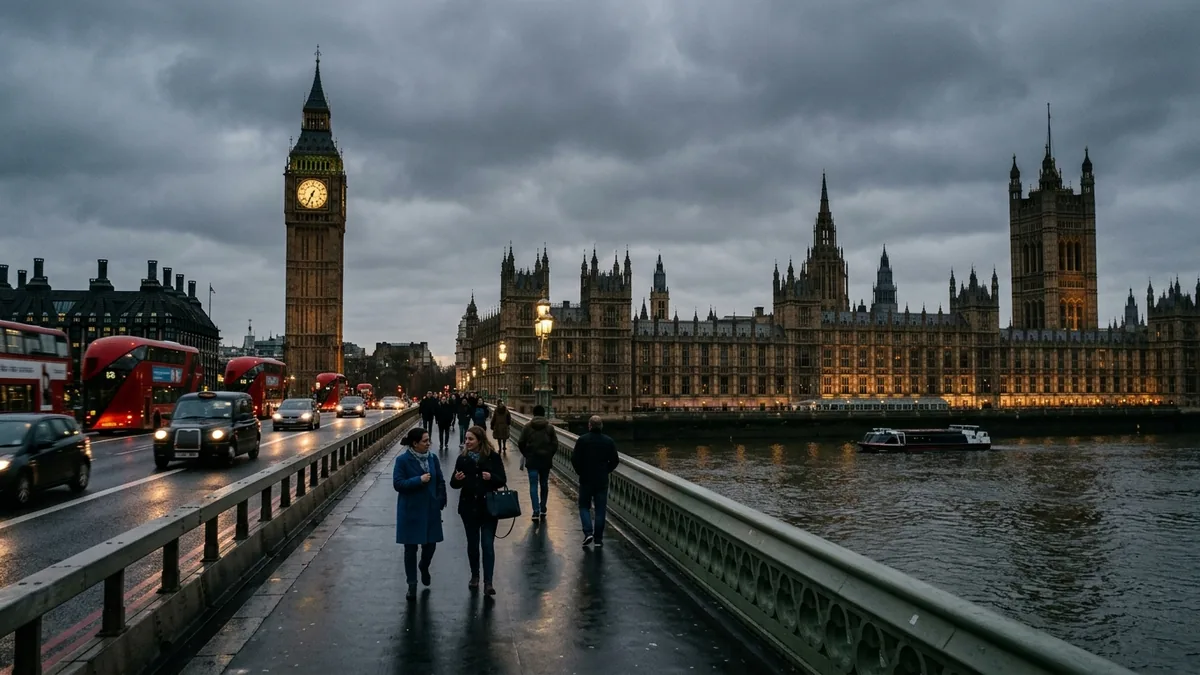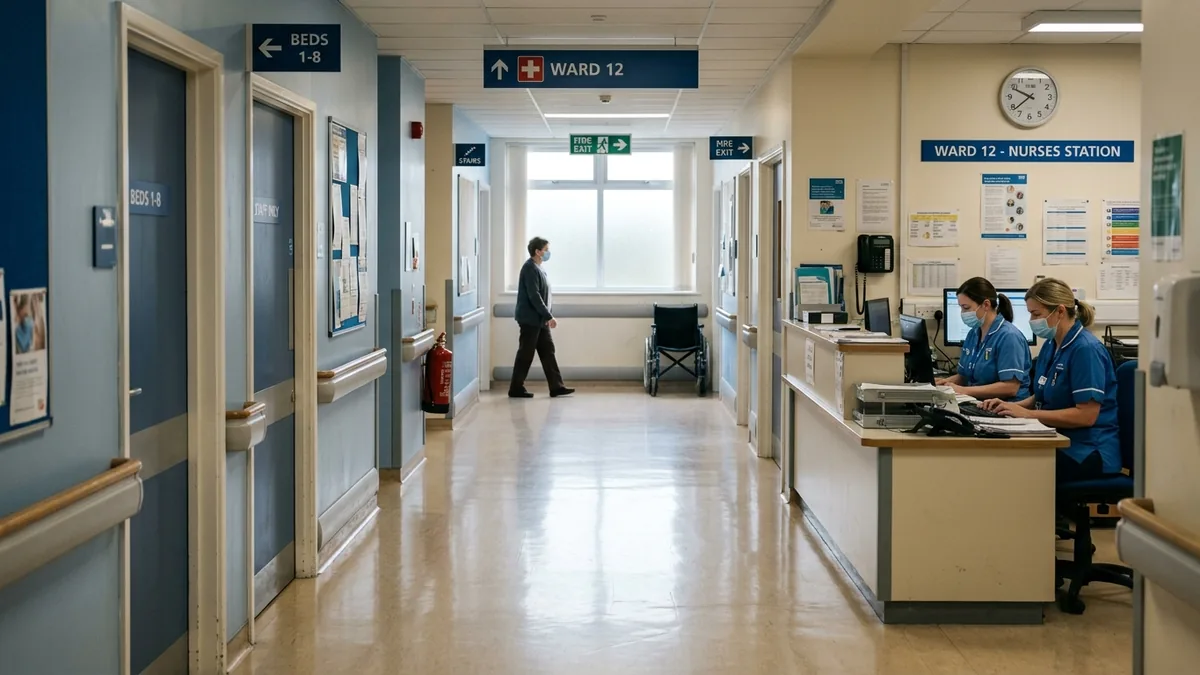
Emergency departments avoided the worst, but staff describe a service running on goodwill and short-term fixes rather than real recovery.
Who carries the cost
The consequences of pressure on the health service are not shared evenly. Households on lower and fixed incomes feel them first and hardest, while the institutions meant to cushion the blow are themselves stretched. Any honest account begins with who pays, not with who makes the announcements.
Most of what is written about pressure on the health service focuses on the dramatic edge cases. The version that affects most people is quieter, steadier and rarely makes the front page.
What the analysts say
Those tracking pressure on the health service are wary of confident forecasts. The consensus is that the next two quarters are decisive, that the headline figures hide sharp regional variation, and that the available levers act more slowly than the public mood demands.
The temptation is to reach for a simple story about pressure on the health service. The truth is more interesting and less convenient.
The state of play
Strip away the noise around pressure on the health service and the picture is steadier than the headlines suggest. The underlying numbers have moved by degrees, not in leaps, and the people closest to it describe a situation that is serious but manageable — provided the response is measured rather than reactive.
The honest conclusion on pressure on the health service is that the questions are sharper than the answers — which is exactly why it is worth following closely rather than waiting for the verdict.
Continue reading with Starguo
You have read the free preview of this article. Subscribe for full access to our reporting, analysis and the complete archive.